I love reading and learning about the Presidents of The Church of Jesus Christ of Latter-day Saints. Their lives are inspiring and their teachings powerful. I also love reading about and studying the lives of the scriptural prophets - Moses, Abraham, Isaiah, Nephi, and Alma. I try to picture what the prophets looked and sounded like. What were their personal characteristics? How was their sense of humor? What did they like to eat or do for fun? But most importantly I focus on what they taught and how they lived. All the prophets testified of Jesus Christ. He has always been the central theme of their messages, in fact one cannot be a prophet without testifying of Jesus "for the testimony of Jesus is the spirit of prophecy" (Rev. 19:10). A prophet is one who testifies of Jesus so anyone who has a testimony of Jesus Christ is a prophet. However, in a more specific sense, prophet is a calling given to only a few men who, in our day, are set apart and ordained and given priesthood keys to administer the Lord's kingdom here on earth, namely The Church of Jesus Christ of Latter-day Saints.
Recently I have been listening to the podcast of devotional and Church Education System (CES) addresses given at Brigham Young University. I listen to the talks as I ride to and from school on the bus or as I am walking across campus. Devotionals are one thing I miss about BYU. When I attended there as a student I did not always attend the devotionals, I know I missed many great talks, but I attended often. Every Tuesday at 11 AM we could go and listen to a talk given by a BYU faculty member, a General Authority, the prophet, or someone else. All these speeches are available online at BYU's Speeches website as MP3s or PDFs or other formats. Recently I started downloading the PDFs of the talks I most enjoyed so that I'll have them ready to use in talks or essays or simply to re-read for enjoyment and knowledge and spiritual uplift.
One talk I particularly enjoyed was Pres. Thomas S. Monson's address given on Sep 15, 2009. It is called Principles from Prophets. Text and audio are available here. In his talk, Pres. Monson shares experiences and lessons from the various prophets with whom he had personal experiences. Pres. Monson is witty, poignant, and humorous as he shares stories and lessons from the prophets' lives. Pres. Monson has known every prophet from Pres. Heber J. Grant, President of The Church from 1918 to 1945, to Pres. Gordon B. Hinckley, who was President of The Church from 1995 to 2008.
I'll share a couple of the stories Pres. Monson shared. The first is about Pres. George Albert Smith.
"I believe one of President Smith’s most noble accomplishments was after World War II. Starvation was rampant in Germany and in other nations of Europe. President Smith met with United States President Harry S. Truman and said, 'We'd like to send welfare supplies to the starving people of Europe, but the bureaucracy and the red tape in postwar Europe are keeping us from doing so.'
"President Truman heard his plea and opened the way. He asked, 'How many months will it take for you to assemble your supplies?' President Smith replied, 'President Truman, they’re already assembled. All you need do is say go, and they’ll be rolling within twenty- four hours.'
"President Truman was taken aback by this slender man who spoke rather softly—but oh, could he move things along. The supplies were sent, and Elder Ezra Taft Benson was also sent to oversee their distribution. Lives were saved as a result."
Pres. George A. Smith was a compassionate man.
The other experience I would like to share is about Pres. Howard W. Hunter. He was President of The Church for only 9 months but over the course of his 35 years as a general authority he had a large influence on many people. He was a soft and gentle man who was concerned with the needs of others.
"One of President Hunter’s hallmarks was that of courtesy. Whether in a moment of pleasant conversation or in times of constant pain, he was ever courteous. On one occasion a man who had been painting in President Hunter’s home said to me, 'President Hunter is so remarkable. He graciously thanked me and my crew for painting a room. He commented on the color match, the absence of brush or roller marks, and repeated a hearty thank-you as he shook my hand when we finished our work and departed his presence.'"
There are many more stories and teachings in this talk. The talk is based on the principle that knowing the prophets better as people is inspiring. They lived what they taught; they taught what they lived. While knowing the character and personalities of the prophets is not as important as knowing and living the doctrine of The Church, getting to know the prophets can help us see how the Lord was able to take ordinary men and help them do extraordinary things.
Showing posts with label prophets. Show all posts
Showing posts with label prophets. Show all posts


25 October 2009
Good and Evil - Part 3
Since the beginning, God has called prophets. The first man - Adam - was a prophet, a holy man of God, and one authorized to act in God's name. Other prophets were called after Adam, men such as Enoch, whose city Zion fled, Abraham, Isaac, Jacob, and Moses. Then came prophets such as Isaiah, Jeremiah, Lehi, Alma, Mormon, and many others. Finally came the greatest prophet - John - and Jesus Christ. Jesus established His church after His resurrection with Peter as president and James and John as counselors. This establishment of the Lord's church did not last long. The vineyard became corrupted and the priesthood authority and keys were taken from the earth. For about 1800 years, the Lord's authority was not found on the earth (at least in the Old World; the priesthood lasted until about 400 AD in the Americas). One spring morning a boy sought an answer to a question about which church to join. He retired to a secluded grove of trees near his home and tried to pray vocally to God. As mentioned previously, Joseph's prayer was interrupted by Satan, who sought to kill him. Joseph was saved by the appearance of God, the Father, and then Jesus Christ. They spoke with Joseph. He was called as the Lord's prophet - a modern Abraham - father to a new dispensation. Over time, Joseph received the authority and keys necessary to administer the Lord's affairs on earth through His church. Once again the Lord's authority and church were found on the earth.
It has always been the Lord's will and work to use prophets. Amos wrote, "Surely the Lord God will do nothing, but he revealeth his secret unto his servants the prophets" (Amos 3:7). This is the Lord's pattern. Moroni wrote: "O all ye that have imagined up unto yourselves a god who can do no miracles, I would ask of you, have all these things passed, of which I have spoken? Has the end come yet? Behold I say unto you, Nay; and God has not ceased to be a God of miracles.... And if there were miracles wrought then, why has God ceased to be a God of miracles and yet be an unchangeable Being? And behold, I say unto you he changeth not; if so he would cease to be God; and he ceaseth not to be God, and is a God of miracles. And the reason why he ceaseth to do miracles among the children of men is because that they dwindle in unbelief, and depart from the right way, and know not the God in whom they should trust." (Mormon 9:15, 19-20).
God is a God of miracles. God changes not. He appeared to Joseph Smith in our day just as He did to prophets of old. He does mighty wonders today, just as He did in ancient times.
For those who might not believe that we need prophets let me ask a hypothetical question. What if we needed someone like Noah today? Would God call someone to be a prophet or would he simply allow all of us, proverbially, to drown? Why if God called prophets in Biblical times would He not call them today? Do prophets become unnecessary with the times? We live in a modern society so there is no need for prophets? Did God speak all He needed to speak unto us in the past so there is no need for Him to reveal more to humankind?
I find all those explanations insufficient. God is the same yesterday, today, and forever. He continues to speak to prophets today. Their words and revelations provide direction and comfort. However, they are more than just comforters and tour guides - they hold the Lord's priesthood and the keys that authorize the use of that priesthood. They administer the affairs of the Lord here on earth. They are in charge of His church and are responsible not just for the members of the church but also for all humankind. They are responsible to oversee and direct the missionary efforts of the church. They are as laborers in the vineyard or shepherds to a flock. The roles of prophets (and seers and revelators) and apostles are not honors taken by those with those responsibilities. All were called of God as was Aaron (see Hebrews 5:4). The honor and glory of the callings all belongs to God, for they direct His church.
Again I ask, what if the Lord needed to tell us something important today like He told the world through Noah or Jonah or Moses? Would He leave us to our own devices or would He call a prophet who would speak His words and do His work? I testify that God does speak to prophets today. He does not lead us without a guide. He does love us as much as He loved His children in ancient days. Satan is real and God is real. Prophets of God have been called to counter the prophets of Satan. The prophets of Satan are myriad, the prophets of God are few but the Lord's prophets have His power and His authority. They direct His church, even The Church of Jesus Christ of Latter-day Saints. Christ's church is on the earth. We can know God's will and plan for us by listening to His prophets.
It has always been the Lord's will and work to use prophets. Amos wrote, "Surely the Lord God will do nothing, but he revealeth his secret unto his servants the prophets" (Amos 3:7). This is the Lord's pattern. Moroni wrote: "O all ye that have imagined up unto yourselves a god who can do no miracles, I would ask of you, have all these things passed, of which I have spoken? Has the end come yet? Behold I say unto you, Nay; and God has not ceased to be a God of miracles.... And if there were miracles wrought then, why has God ceased to be a God of miracles and yet be an unchangeable Being? And behold, I say unto you he changeth not; if so he would cease to be God; and he ceaseth not to be God, and is a God of miracles. And the reason why he ceaseth to do miracles among the children of men is because that they dwindle in unbelief, and depart from the right way, and know not the God in whom they should trust." (Mormon 9:15, 19-20).
God is a God of miracles. God changes not. He appeared to Joseph Smith in our day just as He did to prophets of old. He does mighty wonders today, just as He did in ancient times.
For those who might not believe that we need prophets let me ask a hypothetical question. What if we needed someone like Noah today? Would God call someone to be a prophet or would he simply allow all of us, proverbially, to drown? Why if God called prophets in Biblical times would He not call them today? Do prophets become unnecessary with the times? We live in a modern society so there is no need for prophets? Did God speak all He needed to speak unto us in the past so there is no need for Him to reveal more to humankind?
I find all those explanations insufficient. God is the same yesterday, today, and forever. He continues to speak to prophets today. Their words and revelations provide direction and comfort. However, they are more than just comforters and tour guides - they hold the Lord's priesthood and the keys that authorize the use of that priesthood. They administer the affairs of the Lord here on earth. They are in charge of His church and are responsible not just for the members of the church but also for all humankind. They are responsible to oversee and direct the missionary efforts of the church. They are as laborers in the vineyard or shepherds to a flock. The roles of prophets (and seers and revelators) and apostles are not honors taken by those with those responsibilities. All were called of God as was Aaron (see Hebrews 5:4). The honor and glory of the callings all belongs to God, for they direct His church.
Again I ask, what if the Lord needed to tell us something important today like He told the world through Noah or Jonah or Moses? Would He leave us to our own devices or would He call a prophet who would speak His words and do His work? I testify that God does speak to prophets today. He does not lead us without a guide. He does love us as much as He loved His children in ancient days. Satan is real and God is real. Prophets of God have been called to counter the prophets of Satan. The prophets of Satan are myriad, the prophets of God are few but the Lord's prophets have His power and His authority. They direct His church, even The Church of Jesus Christ of Latter-day Saints. Christ's church is on the earth. We can know God's will and plan for us by listening to His prophets.
22 October 2009
Good and Evil - Part 2
None of us remember our life before this earth when we lived with our Father in Heaven as His children. However, just because we do not remember this does not mean it was not real or did not happen. Few people remember much of anything from their lives before the age of two. Many people do not remember anything from before the age of four. This is called infantile amnesia - the loss of memory from our earliest years. There are explanations why we do not remember but for now what is important is that even though we do not remember, those years of our lives actually occurred.
We know they occurred because we are here now - reading these words at some later stage in life. We might have photos or video of our youngest years. We might have heard stories about when we were born or about other things early in life. All of our knowledge about our first year or two of our lives comes from other people. We have to trust them (and photographs or video if we have them) but again, we know that those first years of our lives occurred because we are here now. This is the same as with our premortal existence. We do not remember that time but we know it occurred because we are here now. We have the testimony of latter-day prophets to trust. We have scriptural accounts in Abraham and Job referencing our premortal life. We are experiencing an amnesia now but some day we will remember our life before we came to earth.
While there we saw two plans presented - one by Jesus Christ and one by Lucifer. All of us here on earth now chose to follow God's plan - we rejected Satan's plan and watched as he and his followers were cast out - maybe some of us assisted with his expulsion. Evil at that point was definitely out of fashion.
Then we started coming to earth. It did not take long for Adam and Eve's children to leave the Lord and lust after worldly things. They were no longer in the presence of God, although they had access to His Spirit if they sought it. They were, however, in the presence of Satan and his followers, even if they could not see them (although they probably could sometimes). Even though Satan is on the earth, he has no power over people except as they give him power. Make no mistake, he has great power. He tried to kill Joseph Smith as Joseph knelt to pray in what became known as the Sacred Grove. Satan also wields power indirectly through governments, mobs, gangs, murders, lies, wealth, and armies. He calls himself the prince of this world and he is to an extent. He is given nearly free reign over the earth. Satan is very real with real power. Twice in my life I have met people who had evil spirits within them. I still remember how I felt in their presence - it was not good. I have met and talked with many people who were what we would call strong "anti-Mormons" and none of them were like these two men. These two men were full of evil. Satan is there but he only has strength over us when we give it to him.
Throughout the ages God has given us a way to counteract the influence of Satan. He has given us people who speak with authority and clarity against the wiles and insidiousness of Satan. All are entitled to the influence of the Holy Ghost. All are entitled to discern good from evil but the Lord's way is even grander and broader than that. He calls men who have been given His authority and authorization to act in His name.
We know they occurred because we are here now - reading these words at some later stage in life. We might have photos or video of our youngest years. We might have heard stories about when we were born or about other things early in life. All of our knowledge about our first year or two of our lives comes from other people. We have to trust them (and photographs or video if we have them) but again, we know that those first years of our lives occurred because we are here now. This is the same as with our premortal existence. We do not remember that time but we know it occurred because we are here now. We have the testimony of latter-day prophets to trust. We have scriptural accounts in Abraham and Job referencing our premortal life. We are experiencing an amnesia now but some day we will remember our life before we came to earth.
While there we saw two plans presented - one by Jesus Christ and one by Lucifer. All of us here on earth now chose to follow God's plan - we rejected Satan's plan and watched as he and his followers were cast out - maybe some of us assisted with his expulsion. Evil at that point was definitely out of fashion.
Then we started coming to earth. It did not take long for Adam and Eve's children to leave the Lord and lust after worldly things. They were no longer in the presence of God, although they had access to His Spirit if they sought it. They were, however, in the presence of Satan and his followers, even if they could not see them (although they probably could sometimes). Even though Satan is on the earth, he has no power over people except as they give him power. Make no mistake, he has great power. He tried to kill Joseph Smith as Joseph knelt to pray in what became known as the Sacred Grove. Satan also wields power indirectly through governments, mobs, gangs, murders, lies, wealth, and armies. He calls himself the prince of this world and he is to an extent. He is given nearly free reign over the earth. Satan is very real with real power. Twice in my life I have met people who had evil spirits within them. I still remember how I felt in their presence - it was not good. I have met and talked with many people who were what we would call strong "anti-Mormons" and none of them were like these two men. These two men were full of evil. Satan is there but he only has strength over us when we give it to him.
Throughout the ages God has given us a way to counteract the influence of Satan. He has given us people who speak with authority and clarity against the wiles and insidiousness of Satan. All are entitled to the influence of the Holy Ghost. All are entitled to discern good from evil but the Lord's way is even grander and broader than that. He calls men who have been given His authority and authorization to act in His name.
13 October 2009
John - Overthrowing the Kingdom of the Jews
"For he was baptized while he was yet in his childhood, and was ordained by the angel of God at the time he was eight says old unto this power, to overthrow the kingdom of the Jews, and to make straight the way of the Lord before the face of his people, to prepare them for the coming of the Lord, in whose hand is given all power" (D&C 84:28). This verse is about John the Baptist. He was a great prophet - someone who prepared Israel for the coming of the Messiah. An interesting part of this verse is how John was ordained in part, "to overthrow the kingdom of the Jews." How did John overthrow, or at least pave the way for the kingdom of the Jews to be overthrown?
Joseph Smith listed three reasons John the Baptist was not only a great prophet but also one who would overthrow the kingdom of the Jews: "First. [John] was entrusted with a divine mission of preparing the way before the face of the Lord. Whoever had such a trust committed to him before or since? No man.
"Secondly. He was entrusted with the important mission, and it was required at his hands, to baptize the Son of Man. ...
"Thirdly. John, at that time, was the only legal administrator in the affairs of the kingdom there was then on the earth, and holding the keys of power. The Jews had to obey his instructions or be damned, by their own law; and Christ Himself fulfilled all righteousness in becoming obedient to the law. ...The son of Zacharias wrested the keys, the kingdom, the power, the glory from the Jews, by the holy anointing and decree of heaven, and these three reasons constitute him the greatest prophet born of a woman" (Teachings of the Prophet Joseph Smith, sel. Joseph Fielding Smith [Salt Lake City: Deseret Book Co., 1938], pp. 275–76).
John "wrested the keys, the kingdom, the power, the glory from the Jews, by the holy anointing and decree of heaven." By the time John lived, the scribes and pharisees had perverted and distorted the Judaic Law. Even the priests had largely gone astray. There were many good ones, such as Zacharias - John's father, but they did not rightly hold any priesthood keys. John was blessed when eight days old and told that he would later receive the Aaronic Priesthood as well as the keys of that priesthood. He did. When John received the keys, he had the authority to administer the temporal ordinances of the Lord, including baptism. He also held the authority to teach the gospel and hold the Israelites accountable unto God if they refused John's message.
John's whole mission was to prepare the way for the Savior. His light diminished once the Savior's arose. John did not seek fame nor did he feel threatened when Jesus' mission started. To the contrary, John understood his mission and fulfilled it admirably. He was one of God's elect, chosen before the world began to prepare the way of the Lord. There were few others like him. He gave His life - literally - for God's kingdom. He condemned sin and spoke boldly in the face of opposition. He unflinchingly faced Herod and Herodias when they sought and later, took his life.
Many might look at John's life and think his life was a failure, that he accomplished little of significance; that he certainly did not overthrow the kingdom of the Jews. They might say, "The kingdom of the Jews was not overthrown by John; the Jews were already under governance of the Romans and would shortly be destroyed and scattered with such finality that they would not have their own land again where the morning sun would reveal hill and plain for nearly two thousand years. John had nothing to do with their overthrow." But that is not what was meant in the Doctrine and Covenants. John did not overthrow the earthly kingdom of the Jews any more than the Savior did during His ministry. John overthrew the Jew's spiritual kingdom. Hepaved the way for the Savior to fulfill the law of Moses. John was "the greatest prophet born of woman."
Joseph Smith listed three reasons John the Baptist was not only a great prophet but also one who would overthrow the kingdom of the Jews: "First. [John] was entrusted with a divine mission of preparing the way before the face of the Lord. Whoever had such a trust committed to him before or since? No man.
"Secondly. He was entrusted with the important mission, and it was required at his hands, to baptize the Son of Man. ...
"Thirdly. John, at that time, was the only legal administrator in the affairs of the kingdom there was then on the earth, and holding the keys of power. The Jews had to obey his instructions or be damned, by their own law; and Christ Himself fulfilled all righteousness in becoming obedient to the law. ...The son of Zacharias wrested the keys, the kingdom, the power, the glory from the Jews, by the holy anointing and decree of heaven, and these three reasons constitute him the greatest prophet born of a woman" (Teachings of the Prophet Joseph Smith, sel. Joseph Fielding Smith [Salt Lake City: Deseret Book Co., 1938], pp. 275–76).
John "wrested the keys, the kingdom, the power, the glory from the Jews, by the holy anointing and decree of heaven." By the time John lived, the scribes and pharisees had perverted and distorted the Judaic Law. Even the priests had largely gone astray. There were many good ones, such as Zacharias - John's father, but they did not rightly hold any priesthood keys. John was blessed when eight days old and told that he would later receive the Aaronic Priesthood as well as the keys of that priesthood. He did. When John received the keys, he had the authority to administer the temporal ordinances of the Lord, including baptism. He also held the authority to teach the gospel and hold the Israelites accountable unto God if they refused John's message.
John's whole mission was to prepare the way for the Savior. His light diminished once the Savior's arose. John did not seek fame nor did he feel threatened when Jesus' mission started. To the contrary, John understood his mission and fulfilled it admirably. He was one of God's elect, chosen before the world began to prepare the way of the Lord. There were few others like him. He gave His life - literally - for God's kingdom. He condemned sin and spoke boldly in the face of opposition. He unflinchingly faced Herod and Herodias when they sought and later, took his life.
Many might look at John's life and think his life was a failure, that he accomplished little of significance; that he certainly did not overthrow the kingdom of the Jews. They might say, "The kingdom of the Jews was not overthrown by John; the Jews were already under governance of the Romans and would shortly be destroyed and scattered with such finality that they would not have their own land again where the morning sun would reveal hill and plain for nearly two thousand years. John had nothing to do with their overthrow." But that is not what was meant in the Doctrine and Covenants. John did not overthrow the earthly kingdom of the Jews any more than the Savior did during His ministry. John overthrew the Jew's spiritual kingdom. Hepaved the way for the Savior to fulfill the law of Moses. John was "the greatest prophet born of woman."
27 September 2009
A Famine of Hearing the Words of the Lord
The prophet Amos prophesied of a day of future famine, "not a famine of bread, nor a thirst for water, but of hearing the words of the Lord" (Amos 8:11). This prophecy was partially fulfilled after the death of Jesus and His apostles. His authority was lost from the earth and His words were changed - not all of them, but enough to leave people without a fullness. With the restoration of the gospel and priesthood authority, the words of the Lord once again went forth in purity. However, many in the world still suffer this spiritual famine. They willingly or unknowingly seal off their hearts and homes from the words of the Lord. The words of the Lord are ever-present but many will not hear them. Their homes become deserts without the waters of life that flow from the Lord and His anointed.
This can happen even within the membership of the church. And so I ask: is there a desert in your home? Are the words of the prophets in your homes? Is the spirit of revelation found there? Do you live the life you profess to live? Do you live the commands of the Lord and His living prophets? Is in your home a watered garden feeding and nurturing a tree of life or do you starve in a famine of hearing the words of the Lord? If you are experiencing a famine, what can you do to counter it?
There is one sure source of spiritual moisture - the Holy Ghost. Through the gentle yet piercing promptings and proddings of the Holy Ghost you can have your thirst sated. How often are you asking for this influence and nourishment in your life? Are you supplicating God in the name of Christ daily? Do you plead for forgiveness of your sins so that you might be better able to feel the influence of the Holy Ghost? If you used to pray frequently, do you do so now? "And now behold, I ask of you...have ye spiritually been born of God? Have ye received his image in your countenances? Have ye experienced this mighty change in your hearts?... And now behold, I say unto you...if ye have experienced a change of heart, and if ye have felt to sing the song of redeeming love, I would ask, can ye feel so now?" (Alma 5:14,26). A one-time change of heart is not enough. King David was a man after the Lord's heart but he made mistakes and sinned. The Lord requires life-long endurance.
Have you kept your home an oasis of life in the midst of a desert, or have you allowed the desert to encroach into your home? Do you allow the east wind to blow through your home, drying it out and filling it with scorching heat and suffocating sand? What influences do you allow in your home? Do you eschew evil, or is it embraced? Is your home built by the iron rod and upon a rocky foundation, or have you established a residence in the great and spacious building, which has no foundation? Do you live full-time in a holy house or do you keep a summer cottage in Babylon? Elder Neal A. Maxwell stated, "Even if we decide to leave Babylon, some of us endeavor to keep a second residence there, or we commute on weekends" (The Neal A. Maxwell Quote Book, p.25).
Do you call upon God and plead with Him to abide in your home? Lowrie Hofford wrote this moving plea for comfort from Jesus:
None of us are perfect and none of us will be in this life. However, we can, like Elder Maxwell said, strive to live close to Him who is perfect (see Neal A. Maxwell Quote Book, p.275). We have a perfect source of comfort and nourishment in the Lord. If and when we stumble and slip and fall - we all do - all we need do is get back up. If we ask, the Lord will be by our sides to help pick us up. By remaining close to Him we will find an endless well and be sheltered from personal and spiritual famine.
This can happen even within the membership of the church. And so I ask: is there a desert in your home? Are the words of the prophets in your homes? Is the spirit of revelation found there? Do you live the life you profess to live? Do you live the commands of the Lord and His living prophets? Is in your home a watered garden feeding and nurturing a tree of life or do you starve in a famine of hearing the words of the Lord? If you are experiencing a famine, what can you do to counter it?
There is one sure source of spiritual moisture - the Holy Ghost. Through the gentle yet piercing promptings and proddings of the Holy Ghost you can have your thirst sated. How often are you asking for this influence and nourishment in your life? Are you supplicating God in the name of Christ daily? Do you plead for forgiveness of your sins so that you might be better able to feel the influence of the Holy Ghost? If you used to pray frequently, do you do so now? "And now behold, I ask of you...have ye spiritually been born of God? Have ye received his image in your countenances? Have ye experienced this mighty change in your hearts?... And now behold, I say unto you...if ye have experienced a change of heart, and if ye have felt to sing the song of redeeming love, I would ask, can ye feel so now?" (Alma 5:14,26). A one-time change of heart is not enough. King David was a man after the Lord's heart but he made mistakes and sinned. The Lord requires life-long endurance.
Have you kept your home an oasis of life in the midst of a desert, or have you allowed the desert to encroach into your home? Do you allow the east wind to blow through your home, drying it out and filling it with scorching heat and suffocating sand? What influences do you allow in your home? Do you eschew evil, or is it embraced? Is your home built by the iron rod and upon a rocky foundation, or have you established a residence in the great and spacious building, which has no foundation? Do you live full-time in a holy house or do you keep a summer cottage in Babylon? Elder Neal A. Maxwell stated, "Even if we decide to leave Babylon, some of us endeavor to keep a second residence there, or we commute on weekends" (The Neal A. Maxwell Quote Book, p.25).
Do you call upon God and plead with Him to abide in your home? Lowrie Hofford wrote this moving plea for comfort from Jesus:
"Abide with me; ’tis eventide.Have you asked the Lord that He enter and remain within your home? Have you made your heart and home a welcome place for Him? Have you walked with the Lord on your own road to Emmaus? Have you felt your heart burn within you? If you have, do you still feel it burn? Are you experiencing a personal and spiritual famine or do you drink deeply from the well of eternal life?
The day is past and gone;
The shadows of the evening fall;
The night is coming on.
Within my heart a welcome guest,
Within my home abide.
O Savior, stay this night with me;
Behold, ’tis eventide.
O Savior, stay this night with me;
Behold, ’tis eventide.
Abide with me; ’tis eventide.
Thy walk today with me
Has made my heart within me burn,
As I communed with thee.
Thy earnest words have filled my soul
And kept me near thy side.
O Savior, stay this night with me;
Behold, ’tis eventide.
O Savior, stay this night with me;
Behold, ’tis eventide.
Abide with me; ’tis eventide,
And lone will be the night
If I cannot commune with thee
Nor find in thee my light.
The darkness of the world, I fear,
Would in my home abide.
O Savior, stay this night with me;
Behold, ’tis eventide.
O Savior, stay this night with me;
Behold, ’tis eventide." (Source).
None of us are perfect and none of us will be in this life. However, we can, like Elder Maxwell said, strive to live close to Him who is perfect (see Neal A. Maxwell Quote Book, p.275). We have a perfect source of comfort and nourishment in the Lord. If and when we stumble and slip and fall - we all do - all we need do is get back up. If we ask, the Lord will be by our sides to help pick us up. By remaining close to Him we will find an endless well and be sheltered from personal and spiritual famine.
23 August 2009
Lessons from Life - Part 3 - Rappelling
 As I was growing up, my family went rappelling fairly often. My father had spent a lot of time climbing when younger and had developed a great love of rappelling. It was not long after I first tried it that I loved it. I remember the first time I went rappelling. I was about 8 years old. The rock we went down was not large - maybe 20 feet tall - but to an eight year old, it was daunting. I was able to make it down under the reassurances of my father and family. It wasn't long before I went down without hesitation. There is something thrilling about bouncing down a cliff at a high speed. There were times that I would jump down 20-30 feet in a single bound, relying on the friction between the rope, my hand (when I planned on going down that quickly I wore a leather glove), and the figure-8 (a metal device that the rope slides around) to keep me from falling to quickly. I even tried going down head-first, which is not recommended if you have a serious fear of heights. [Image by Rescue Dog].
Rappelling is a dangerous activity. Yet, if proper safety measures are taken, it can be quite safe. When we went rappelling, my father made sure we were safe. Whenever possible, he would tie the rope(s) to two anchor points so that if one failed, there would be backup. We used to tie our own harnesses using nylon straps but we preferred to use manufactured harnesses. All harnesses were checked and re-checked to make sure they were on properly. We would use two carabiners to connect to the figure-8 (that the rope went around). These carabiners were set so the gates were on opposite sides. Whenever possible we would use at least one carabiner with a locking gate. As an added measure of safety, we would have someone at the bottom of the cliff who belayed. Belaying is a climbing term to describe the controlling of a rope. If someone were to slip down the cliff out of control, the person belaying at the bottom could pull the rope out away from the cliff and stop the person on the rope. They can also help guide the person rappelling down the cliff. Rappelling is safest when there is a person at the top guiding the person on their journey down the rope as well as someone belaying at the bottom.
Over time rappelling ropes wear thin. The tough outer layer of the rope can weaken with the friction of the people going down the rope as well as when it rubs against the rocks. Rappelling ropes are incredibly strong - they can hold thousands of pounds of weight and force. However, they become unsafe if their integrity is compromised.
As is rappelling, so is life. Life can be and is very dangerous but it can be a lot of fun. However, to survive - physically and spiritually - we need to establish safety guidelines and procedures. We need to establish them early and follow them. Others can guide us and help us remain safe as well. We have parents and prophets who can teach us correct principles. We can have safety in our personal lives, our homes, and within the gospel of Jesus Christ. We can find safety within Zion, the spiritual place where the pure in heart dwell and the physical city where the saints of God will eventually live.
"And it shall be called the New Jerusalem, a land of peace, a city of refuge, a place of safety for the saints of the Most High God; And the glory of the Lord shall be there, and the terror of the Lord also shall be there, insomuch that the wicked will not come unto it, and it shall be called Zion. And it shall come to pass among the wicked, that every man that will not take his sword against his neighbor must needs flee unto Zion for safety." (D&C 45: 66-68).
As we anchor ourselves to the rock of Christ and follow the prophets and scriptures as our safety guides, we will be safe even as we experience some of the harrowing heights and even the thrills of life.
08 August 2009
The Organization of the LDS Church - Part 1
There is no other church on earth like The Church of Jesus Christ of Latter-day Saints. Its organization and growth are inspired. Much of the organization of the church is built upon the following principle: "No man taketh this honour unto himself, but he that is called of God, as was Aaron" (Heb. 5:4). The LDS Church is largely run by a lay ministry. People do not vie for positions; most do not seek office. When a call is received, service begins. The LDS church is organized in such a manner that all have the opportunity in even a small way to play a role in the church. The church is run and directed by and through the priesthood of God. In this essay, I'll provide an overview of how the LDS Church is organized.
I'll start from the "top" and move down. Actually this is starting at the bottom - at the foundation - and moving up, but we more commonly think of it as top-down. The Savior Jesus Christ is the head of the LDS Church. It is His church and is a restoration of the church He established in ancient days. The Savior chooses one man to act as His prophet - to preside over and to lead the church on earth. The current prophet is Thomas S. Monson, who is the most senior apostle and is ordained as a prophet, seer, and revelator. He is the only one authorized to speak definitively for the whole church and to establish church doctrine. He can delegate this authority in specific circumstances but generally does not. The prophet is the presiding priesthood holder on the earth. He holds all of the keys of the kingdom, meaning that he has the authority and responsibility to direct the church as inspired. The prophet has two counselors (although there could be more) who as a whole constitute the First Presidency of the LDS Church. The First Presidency together also hold all the keys of administration of the church. They constitute the highest governing body of the church and serve in a small way as a type for the Godhead - the Father, Son, and Holy Ghost (in other words, there are three people in the First Presidency in part to mirror the three personages in the Godhead).
The members of the First Presidency are all prophets, seers, and revelators in addition to being ordained as apostles. While they are currently called from the Quorum of the Twelve Apostles, their roles are separate from the Quorum of the Twelve while they are in the First Presidency. Upon the death of the prophet, the First Presidency is automatically dissolved and the counselors return to their place in the Quorum of the Twelve.
The Quorum of the Twelve consists of twelve men who are ordained as apostles of the Lord Jesus Christ and who are sustained as prophets, seers, and revelators. They are all special witnesses of the Lord Jesus with a special call to bear witness of Him unto all the world. They also serve as the main, under the direction of the First Presidency, administrative body of the church. One man is called as president of the Quorum (with another called as acting president should the president of the Twelve be called as a counselor in the First Presidency). The Twelve, along with the First Presidency, fulfill different assignments throughout the world, including dedicating new temples, meeting with church members, meeting with world, religious, and civic leaders, meeting with the media, and so forth. Each also serve on various committees pertaining to different aspects of church administrations, such as missionary work or education. The Twelve each individually hold all the keys of the priesthood but are not individually or collectively authorized to use those keys except as following the death of the prophet; in that instance, they can only use their keys collectively. The members of the Quorum of the Twelve are "ranked" according to seniority based on how long they've been a member of the quorum. The most senior apostle, following the death of the prophet, is shortly sustained as the new prophet and president of the church. There is no jostling for position or asking of questions about who will be called. The new prophet then calls two counselors. Any voids left in the Quorum of the Twelve are then subsequently filled with the callings and sustainings of new apostles.
I'll start from the "top" and move down. Actually this is starting at the bottom - at the foundation - and moving up, but we more commonly think of it as top-down. The Savior Jesus Christ is the head of the LDS Church. It is His church and is a restoration of the church He established in ancient days. The Savior chooses one man to act as His prophet - to preside over and to lead the church on earth. The current prophet is Thomas S. Monson, who is the most senior apostle and is ordained as a prophet, seer, and revelator. He is the only one authorized to speak definitively for the whole church and to establish church doctrine. He can delegate this authority in specific circumstances but generally does not. The prophet is the presiding priesthood holder on the earth. He holds all of the keys of the kingdom, meaning that he has the authority and responsibility to direct the church as inspired. The prophet has two counselors (although there could be more) who as a whole constitute the First Presidency of the LDS Church. The First Presidency together also hold all the keys of administration of the church. They constitute the highest governing body of the church and serve in a small way as a type for the Godhead - the Father, Son, and Holy Ghost (in other words, there are three people in the First Presidency in part to mirror the three personages in the Godhead).
The members of the First Presidency are all prophets, seers, and revelators in addition to being ordained as apostles. While they are currently called from the Quorum of the Twelve Apostles, their roles are separate from the Quorum of the Twelve while they are in the First Presidency. Upon the death of the prophet, the First Presidency is automatically dissolved and the counselors return to their place in the Quorum of the Twelve.
The Quorum of the Twelve consists of twelve men who are ordained as apostles of the Lord Jesus Christ and who are sustained as prophets, seers, and revelators. They are all special witnesses of the Lord Jesus with a special call to bear witness of Him unto all the world. They also serve as the main, under the direction of the First Presidency, administrative body of the church. One man is called as president of the Quorum (with another called as acting president should the president of the Twelve be called as a counselor in the First Presidency). The Twelve, along with the First Presidency, fulfill different assignments throughout the world, including dedicating new temples, meeting with church members, meeting with world, religious, and civic leaders, meeting with the media, and so forth. Each also serve on various committees pertaining to different aspects of church administrations, such as missionary work or education. The Twelve each individually hold all the keys of the priesthood but are not individually or collectively authorized to use those keys except as following the death of the prophet; in that instance, they can only use their keys collectively. The members of the Quorum of the Twelve are "ranked" according to seniority based on how long they've been a member of the quorum. The most senior apostle, following the death of the prophet, is shortly sustained as the new prophet and president of the church. There is no jostling for position or asking of questions about who will be called. The new prophet then calls two counselors. Any voids left in the Quorum of the Twelve are then subsequently filled with the callings and sustainings of new apostles.
12 June 2009
The Witness of the Book of Mormon, Part 5
 I'll address other ways the Book of Mormon can help clarify the Bible. For instance, there are many differences in beliefs about the resurrection. Some people believe we will remain as spirit bodies. Others believe we will have physical bodies. Some believe that all will be resurrected while others believe only some will be resurrected. The Book of Mormon teaches that we will all be resurrected - all who ever lived on the earth - and that it is a physical resurrection (see Alma 40; Mosiah 15). Having these two witnesses (we also have additional teachings by modern prophets - see D&C 76, for example) clarifies doctrine. We no longer have to rely solely on the Bible, even as wonderful as it is. We can understand the doctrines with more clarity and purity. However, it is the living prophets who provide true clarity and additional light and knowledge. [image by AllAboutMormons.com].
Without living prophets and even with the Book of Mormon, the doctrines of the gospel would quickly corrupt (we certainly have a broad range of opinions about many doctrines or practices within the Church, even among the General Authorities), just as they did following the Savior's resurrection and the deaths of His original apostles. It's not the books that the most important - what's most important is the gift of the Holy Ghost - the ability to receive personal witnesses and revelation concerning the truths of the gospel - and the Priesthood power and authority. The priesthood allows for the organization of the church to function and exist. The priesthood keys as held by the prophet (and given to others through delegation and inspired callings) allow the ordinances of the gospel to be performed here on earth and be notarized in heaven.
As members of The Church of Jesus Christ of Latter-day Saints, we claim that the Bible is the word of God. We do not, however, accept it as a closed canon. We view scripture as open, expanding, and contemporary through ongoing revelation. We believe this view to be Biblical. Just as what Amos wrote added to what Moses had written (to refer back to Elder Holland's quote at the beginning of this essay) and what Paul wrote added to the words of the Redeemer, we claim that modern prophets give new scripture. Instead of simply retranslating the Bible into more modern English, we have prophets who receive new revelation. We certainly can apply the doctrines and teachings of the Bible to our day and adapt them to our understanding and lives but we are not limited any more to the Bible. Does God love His children today any less than those who lived during Biblical times? No! He speaks to prophets today just as He did then. He caused the Book of Mormon to speak from the dust (see Isaiah 29:4; 2 Nephi 26:16; 2 Ne. 33:13). He restored His Church through the prophet Joseph Smith, a restoration that brought about the blessings and promises of the fullness of the gospel, including the blessings of continuing revelation to prophets who speak with authority from God. God speaks to us today - individually (just as He has done throughout the ages) and through prophets. Not only does the Book of Mormon stand as Another Witness of Jesus Christ, but also the testimonies of the prophets verify the truth of the Bible and the divinity of our Lord Jesus Christ, the Atoner.
Link to part 4 of this essay.
01 June 2009
The Witness of the Book of Mormon, Part 2
 What is key to understand is that the Bible is a collection of individual books. These books were selected over the years, eventually comprising what we now know as the Bible. The two main divisions of the Bible - the Old and New Testaments - can be viewed as old and new covenants with the covenant people of the Lord (and with the broader world). This is not strictly true because the "new covenant" was largely the original "oldest covenant" (although there were some differences - animal sacrifice being one of them. Adam offered up sacrifices unto the Lord); when Moses was called to restore the covenant that had been lost during the years of the captivity of the Israelites in Egypt, he found that the people were slow to listen. They had grown stony hearts in Egypt, hearts that yearned too much for the deaf but permissive idols of the Egyptians. [Image source].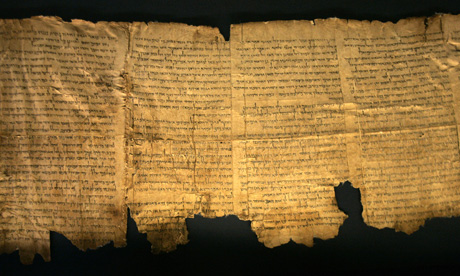
The Lord, understanding the hardness of His people's hearts, restored unto them through Moses, not the covenants originally made with Adam but a new covenant of strict ordinances and laws - a covenant that would command them in many things but ultimately prepare them to receive the higher and original covenant. It was not until the coming of the Savior upon the earth that the new covenant was made (or, more closely, re-introduced). However, this new covenant was quickly lost from the earth. The priesthood, which allowed the ordinances of the covenant to be performed with true authority, was lost. The people apostatized. The covenant would not be known in its fullness until the Lord started revealing it unto His prophet Joseph Smith in 1820. That restoration took a number of years before it was complete. Our living prophet continues to receive more light from the Lord. We live in a day when we have the fullness of the gospel, a thing that never occurred before on the earth, at least not in the general and widespread manner it is today.
As Latter-day Saints we have the Bible. We revere it and love it. We follow its teachings and place it first in our canon. Elder Ballard spoke these words about the Bible at General Conference in April 2007,
"It is a miracle that the Bible literally contains within its pages the converting, healing Spirit of Christ, which has turned men's hearts for centuries, leading them to pray, to choose right paths, and to search to find their Savior. The Holy Bible is well named. It is holy because it teaches truth, holy because it warms us with its spirit, holy because it teaches us to know God and understand His dealings with men, and holy because it testifies throughout its pages of the Lord Jesus Christ. Abraham Lincoln said of the Bible: 'This Great Book . . . is the best gift God has given to man. All the good the Saviour gave to the world was communicated through this book. But for it we could not know right from wrong' (Speeches and Writings, 1859–1865 [1989], 628)."We do not, however, view the Bible as the breadth, width, and depth of God's words to His children. The Bible is a collection of the words of prophets. That is what makes it special! It is a record of the revelations given to prophets over thousands of years. Surely prophets received many other revelations that are not recorded in the books of the Bible! We know that the Savior taught many things are not contained within the Bible: "And many other signs truly did Jesus in the presence of his disciples, which are not written in this book" (John 20:30); "And there are also many other things which Jesus did, the which, if they should be written every one, I suppose that even the world itself could not contain the books that should be written. Amen" (John 21:25). While John was using hyperbole, the underlying meaning is true - there are many things that the Savior said and did that are neither contained in John's writings nor the writings of the other prophets.
There are many things Jesus said and did that we do not have in the Bible. This is true for all the prophets throughout history. Scrolls and tablets and other things to write on were relatively expensive and difficult to manage. Scrolls decomposed quickly, parchment was very expensive, and tablets or plates were awkward. In addition, not every one could write. Many prophets lived in circumstances where they traveled a lot or they had other things to deal with - wars and families and employment. The words and prophecies that were recorded were selected because they were the most important or they were selected because they survived time, or both. It is a miracle we have the Bible as it is!
Link to part 1 of this essay.
26 April 2009
Do Good and Love God, Part 4
Jacob, brother of Nephi, again taught the importance of Isaiah (at his brother's suggestion), "I will read you the words of Isaiah.... And I speak unto you for your sakes, that ye may learn and glorify the name of your God" (2 Ne. 6:4). From the prophecies of Isaiah we learn the name of our God but more importantly we learn to glorify His name. What is the name of our God? Jehovah, who was born into this world in a humble manger. Jesus Christ is the God of Abraham, Isaac, and Jacob. He is the God of the Old Testament. He is our Savior and Redeemer. He is the Son of the Eternal Father. While Jesus and Heavenly Father are distinct personages, They are one in purpose and one in power. "The members of the Godhead are infinitely more one than separate, they just happen to be separate beings" (Robert L. Millet, 1998, heard in class at BYU).
Jacob continued, "And now, the words which I shall read are they which Isaiah spake concerning all the house of Israel; wherefore, they may be likened unto you, for ye are of the house of Israel" (2 Nephi 6:5). We too, as members of the Church of Jesus Christ of Latter-day Saints, are of the house of Israel and can liken the words of Isaiah to ourselves. Nephi loved Isaiah's words, "I, Nephi, write more of the words of Isaiah, for my soul delighteth in his words. For I will liken is words unto my people, and I will send them forth unto all my children, for he verily saw my Redeemer, even as I have seen him.... Whoso of my people shall see these words may lift up their hearts and rejoice for all men." (2 Nephi 11:2,8). There are many more references to the words of Isaiah being great (see 2 Ne. 25:1; 2 Ne. 25:4-7). The Savior, after His resurrection, commanded the people of Nephi to read and study Isaiah's words.
Jesus taught, "Ye remember that I spake unto you, and said that when the words of Isaiah should be fulfilled - behold they are written, ye have them before you, therefore search them" (3 Ne. 20:11). Again he commanded, "And now, behold, I say unto you, that ye ought to search these things. Yea, a commandment I give unto you that ye search these things diligently; for great are the words of Isaiah" (3 Ne. 23:1). We must not only search Isaiah's words but also search them diligently.
Link to part 3 of this essay.
Jacob continued, "And now, the words which I shall read are they which Isaiah spake concerning all the house of Israel; wherefore, they may be likened unto you, for ye are of the house of Israel" (2 Nephi 6:5). We too, as members of the Church of Jesus Christ of Latter-day Saints, are of the house of Israel and can liken the words of Isaiah to ourselves. Nephi loved Isaiah's words, "I, Nephi, write more of the words of Isaiah, for my soul delighteth in his words. For I will liken is words unto my people, and I will send them forth unto all my children, for he verily saw my Redeemer, even as I have seen him.... Whoso of my people shall see these words may lift up their hearts and rejoice for all men." (2 Nephi 11:2,8). There are many more references to the words of Isaiah being great (see 2 Ne. 25:1; 2 Ne. 25:4-7). The Savior, after His resurrection, commanded the people of Nephi to read and study Isaiah's words.
Jesus taught, "Ye remember that I spake unto you, and said that when the words of Isaiah should be fulfilled - behold they are written, ye have them before you, therefore search them" (3 Ne. 20:11). Again he commanded, "And now, behold, I say unto you, that ye ought to search these things. Yea, a commandment I give unto you that ye search these things diligently; for great are the words of Isaiah" (3 Ne. 23:1). We must not only search Isaiah's words but also search them diligently.
Link to part 3 of this essay.
18 January 2009
We Thank Thee Oh God For a Prophet
SethAdamSmith once again has created a beautiful video. This one is about the prophets of the Restoration. Enjoy! I'm posting this because there is little more central to the gospel of Jesus Christ than prophets and apostles and continuing revelation from God.
04 December 2008
Revisiting Mormon Coffee
A while ago I stated I'd post more about a particular website that is critical of The Church of Jesus Christ of Latter-day Saints and some of its doctrines. My blog is not meant to be inflammatory; I'm not acting as apologist for the LDS Church. My posts are meant to be essays that I might use for Sacrament Meeting talks (although I haven't scrutinized the doctrines within them as closely as I would if I were giving these as Sacrament Meeting talks). However, I stated I would comment again about the Mormon Coffee website so this post is me upholding my word.
First I want to note that as a member of the LDS Church, my views are biased towards the Church. Does that mean that I cannot think rationally about my faith? Certainly not. However, I will always err on the side of trusting the living prophet and the majority of the Twelve Apostles (as well as personal feelings that come from the Holy Ghost) if I am unsure of something. If the Church has no official position on a topic, I will not form a solid personal "doctrine" on that topic. I will form (or not) opinions but will only share them as I see fit and then only if I make it clear that they are opinions.
Did I address the issue completely? No, but as I stated earlier, my blog has a very narrow focus at this point and this is not the forum to continue the discussion beyond one more response.
Further quoting the author, "Mormon President Gordon B. Hinckley told the Associated Press that baptism for the dead is only an offer of LDS Church membership–which deceased individuals are free to reject. 'So there’s no injury done to anybody,' President Hinckley said. This lack of sensitivity amazes me."
First I want to note that as a member of the LDS Church, my views are biased towards the Church. Does that mean that I cannot think rationally about my faith? Certainly not. However, I will always err on the side of trusting the living prophet and the majority of the Twelve Apostles (as well as personal feelings that come from the Holy Ghost) if I am unsure of something. If the Church has no official position on a topic, I will not form a solid personal "doctrine" on that topic. I will form (or not) opinions but will only share them as I see fit and then only if I make it clear that they are opinions.
That being said, the writers of the Mormon Coffee blog are people who, regardless of their past or present relationship with the LDS Church are not believers of Mormonism. I could be wrong, of course, but nothing I have read on the site has led me to believe that any of the articles are written by members of the LDS Church who are fully invested in LDS faith and doctrine. This means that, however balanced some of the posts may be, the authors are biased against the Church. This means in matters that seem perplexing or contradictory, the authors are not going to give the LDS Church (or church leader or doctrine) the benefit of the doubt, at least in most cases. I point this out so all are aware of the biases of all authors, myself included.
With a quick perusal of the site one finds many quotes from early church leaders. Brigham Young is a favorite early church leader to quote, as is Orson Pratt. I'll quote from my previous post and go from there.
"There are numerous posts that seemingly point out inconsistencies and shifts in church doctrine over time, as if this somehow hurts the church. The LDS Church is founded on modern-day revelation; on the belief that we have a living prophet who is the only one authorized to receive revelation for the entire church and to authoritatively interpret the scriptures and speak for the Lord. If some doctrines did not have to change over time in response to the times, why would there be a need for a living prophet?"
I have never read an article or post critical of Mormonism that did not largely draw from quotes from long-dead (or at least non-living) church leaders. Why is this? Some argue that what church leaders say today is censored and does not represent raw Mormonism (whatever that means), it represents politically-correct Mormonism. I will not discuss the merits or lack thereof of this argument. The only thing I'll say is that we live in a world where words are easily recorded and widely distributed. What someone says can be all over the world within minutes, unlike even 15 years ago. All public persons are (usually) more careful with what they say in public (and in private).
So, why quote past prophets more than living ones? It's to try to show inconsistencies. However, what the living prophet says always has precedence over what was said in the past. Does this discount past scripture or prophecy? Usually not, but new revelation having precedence over the past was the way things worked in the Old Testament as well as in the New Testament. The Law of Moses was a change to what had previously been taught. Jesus came and fulfilled the Law of Moses and stated that there was no more need for animal sacrifices and many of the other rites of the Law of Moses. Peter received revelation that he should preach the gospel to all people and not just Jews, like Jesus did. Paul received revelations and taught new doctrines. In more modern times, the LDS Church (in the 1890s) stopped practicing polygamy. In the 1970s, all worthy males, regardless of race, were allowed to receive the priesthood. Church doctrine can and do change over time.
This is why using random quotes from Brigham Young or Orson Hyde or Bruce R. McConkie, which may be interesting from a historical standpoint, is not a completely valid way to "critique" the doctrines and beliefs of the LDS Church. It's like people who use random scriptures from the Old Testament (or even the New Testament) to attack Christians or Christianity in general. Besides, what a prophet or apostle says or writes is not always official church doctrine. As I wrote earlier, only the current living prophet has authority to teach and give the official church position on a matter (another apostle sometimes speaks for the prophet though). The Lord's house is a house of order.
In this post, the following was written.
"Perhaps Mormons could consider this scenario. A powerful and influential group has begun collecting the names of Mormon pioneers and martyrs. They are compiling them into a database which is accessible to researchers worldwide and will likely continue to be accessible for hundreds of years. This database includes records for each Mormon who has given his or her life, or sacrificed in another significant way, in consequence of their determination to remain faithful to the Mormon Gospel. Attached to each name is a letter of resignation from LDS Church membership, sent by proxy to Church headquarters in Salt Lake City.I know I'm taking that quote out of its broader context, and the author states that the issue is complicated, but the scenario put forth in the post reveals that semantics are the issue (i.e., what Mormons call "giving the opportunity to accept baptism" this author is calling "giving the opportunity to reject their previous faith"). As I said, it's semantics. Mormons performing baptisms for the dead is compared to sending in proxy resignations from another belief or religion - giving dead Mormon pioneers an opportunity to resign from the LDS Church. Why would that be offensive? As an LDS Church member, if someone cared enough about my dead ancestors to perform a baptism or some other ritual on their behalf in the hopes that it would give them the opportunity to accept it, I'd be honored. My ancestors have free will, they can choose for themselves.
"Though the letters are written and sent only to provide these departed ones the opportunity to leave Mormonism and join another church if they so wish, do LDS descendants of these Mormon pioneers merely shrug off their ancestors’ proxy resignations without another thought? Are Mormons not concerned about what future researchers may find and mistakenly believe about these LDS heroes?
"I suspect Latter-day Saints would be very upset over Mormon pioneer proxy resignations from the LDS Church. They may even believe it to be an injustice to the memories of their loved-ones which, of course, is a devastating injury to everybody concerned."
Further quoting the author, "Mormon President Gordon B. Hinckley told the Associated Press that baptism for the dead is only an offer of LDS Church membership–which deceased individuals are free to reject. 'So there’s no injury done to anybody,' President Hinckley said. This lack of sensitivity amazes me."
First, calling President Gordon B. Hinckley insensitive reveals that the author was not familiar with him - he was one of the most sensitive people. He did more to build bridges with other religions, faiths, and people than any previous church president. He was someone who really understood others. This author doesn't really try to understand the LDS viewpoint though (okay, maybe she does but she does not give the LDS viewpoint more than cursory acknowledgement). If she had, she would hopefully understand from the LDS perspective that it is the height of insensitivity for us not to perform these baptisms. Is that arrogance? Arrogance is in the eye of the beholder; I certainly do not ever perform proxy work for the dead out of arrogance. If someone sees what I do as arrogant, that is ascribing motive and feelings to me that I may or may not have. People see what they want to see in others. On top of that, we (collectively as a church) have been commanded by the Lord to do this proxy work. So, as members of the LDS Church, we go against God's commandments if we do not do this work.
I will not address the issue of whether or not Holocaust victims' proxy temple work should be done - that's a separate matter. That is all I will say on these matters because I do not want to turn this website into something other than a series of gospel essays by one LDS Church member who does not and cannot speak definitively for the LDS Church.
04 November 2008
Alma and Amulek as Types of Christ, Part 5
After the fall of the prison many came running to see what caused the commotion. When they saw Alma and Amulek walking out unscathed and filled with the power of God they "fled from the presence of Alma and Amulek even as a goat fleeth with her young from two lions" (Alma 14:29). The righteous of the Lord who are of the House of Israel "shall be among the Gentiles, yea, in the midst of them as a lion among the beasts of the forest" (3 Ne. 21:12; see also Mormon 5:24 and 3 Ne. 20:16). Christ is compared to a lion in the scriptures and was born into a house of lions (see Gen. 49:9). Indeed, He is "the Lion of the tribe of Juda, the root of David" (Rev. 5:5). Those who fled from Alma and Amulek fled as goats. Goats are often used in the scriptures as an analogy for the wicked: "And before him [the Son of Man] shall be gathered all nations: and he shall separate them one from another, as a shepherd divideth his sheep from the goats: And he shall set the sheep on his right hand, but the goats on the left.... Then shall he say...unto them on the left hand, Depart from me, ye cursed, into everlasting fire, prepared for the devil and his angels" (Matt. 25:32-33,41). The Good Shepherd calls His sheep and they follow Him. The goats, those who will not hear His voice and follow Him, flee from before His presence just as they did from before Alma and Amulek.
As we study the scriptures we can learn many things and see many parallels with the life of the Savior. We may even see some parallels in our own lives.
As we study the scriptures we can learn many things and see many parallels with the life of the Savior. We may even see some parallels in our own lives.
02 November 2008
Alma and Amulek as Types of Christ, Part 4
After many days Alma and Amulek were once again visited in prison by the chief judge as well as teachers and lawyers. The chief judge hit them again and taunted, "If ye have the power of God deliver yourselves from these bands, and then we will believe that the Lord will destroy this people according to your words" (Alma 14:24). Throughout his crucifixion the Savior received similar taunts (see Luke 23:35; Mark 15:31-32; Matt. 27:42). After all the people visiting Alma and Amulek in prison had hit them and taunted them, Alma cried forth saying, "How long shall we suffer these great afflictions, O Lord? O Lord, give us strength according to our faith which is in Christ, even unto deliverance" (Alma 14:26). In His infinite agony, the Savior cried similar words on the cross, "Eloi, Eloi, lama sabachthani? which is, being interpreted, My God, my God, why hast thou forsaken me? (Mark 15:34; see also Matt. 27:46). After this cry, Alma and Amulek "broke the cords with which they were bound" (Alma 14:26). The Savior broke the cords of death, "And the death of Christ shall loose the bands of this temporal death, that all shall be raised from this temporal death" (Alma 11:42).
When Alma and Amulek broke their bonds, those who came to taunt and torment were afraid and started to flee (see Alma 14:26-27). Some (although they were not wicked), when seeing the empty tomb and hearing the angels proclaim Christ's resurrection, had the same feeling of fear: "And they went out quickly, and fled from the sepulchre; for they trembled and were amazed...for they were afraid" (Mark 16:8). Those who fled from Alma and Amulek were so afraid that they "fell to the earth, and did not obtain the outer door of the prison" (Alma 14:27). Just as these wicked people did not make it out of the prison, the wicked who reject Christ remain in spirit prison. The prison then fell down around Alma and Amulek, "The earth shook mightily, and the walls of the prison were rent in twain"; those who were in the prison taunting Alma and Amulek "were slain by the fall [of the prison]" (Alma 14:27). At Christ's death there were earthquakes in the Old World as well as the New: "And, behold, the veil of the temple was rent in twain from the top to the bottom; and the earth did quake, and the rocks rent" (Matt. 27:51; see also 3 Ne. 8). Those who reject the Lord suffer spiritual death just as those at Alma and Amulek's prison suffered physical death.
Alma and Amulek "came forth out of the prison and they were not hurt; for the Lord had granted unto them power, according to their faith which was in Christ...[for] they were loosed from their bands; and the prison had fallen to the earth" (Alma 14:28). Christ came forth from the prison of Death through the power of God, "And God hath both raised up the Lord, and will also raise up us by his own power" (1 Cor. 6:14); "Therefore doth my Father love me, because I lay down my life, that I might take it again. No man taketh it from me, but I lay it down of myself. I have power to lay it down, and I have power to take it again. This commandment have I received of my Father" (John 10:17-18). "And he hath power given unto him from the Father to redeem them from their sins [and death]" (Hel. 5:11). Christ opened the prison doors for all that we will have power over death and be resurrected. He also opened the prison doors for others to be saved from spiritual death and hell through faith in His name.
When Alma and Amulek broke their bonds, those who came to taunt and torment were afraid and started to flee (see Alma 14:26-27). Some (although they were not wicked), when seeing the empty tomb and hearing the angels proclaim Christ's resurrection, had the same feeling of fear: "And they went out quickly, and fled from the sepulchre; for they trembled and were amazed...for they were afraid" (Mark 16:8). Those who fled from Alma and Amulek were so afraid that they "fell to the earth, and did not obtain the outer door of the prison" (Alma 14:27). Just as these wicked people did not make it out of the prison, the wicked who reject Christ remain in spirit prison. The prison then fell down around Alma and Amulek, "The earth shook mightily, and the walls of the prison were rent in twain"; those who were in the prison taunting Alma and Amulek "were slain by the fall [of the prison]" (Alma 14:27). At Christ's death there were earthquakes in the Old World as well as the New: "And, behold, the veil of the temple was rent in twain from the top to the bottom; and the earth did quake, and the rocks rent" (Matt. 27:51; see also 3 Ne. 8). Those who reject the Lord suffer spiritual death just as those at Alma and Amulek's prison suffered physical death.
Alma and Amulek "came forth out of the prison and they were not hurt; for the Lord had granted unto them power, according to their faith which was in Christ...[for] they were loosed from their bands; and the prison had fallen to the earth" (Alma 14:28). Christ came forth from the prison of Death through the power of God, "And God hath both raised up the Lord, and will also raise up us by his own power" (1 Cor. 6:14); "Therefore doth my Father love me, because I lay down my life, that I might take it again. No man taketh it from me, but I lay it down of myself. I have power to lay it down, and I have power to take it again. This commandment have I received of my Father" (John 10:17-18). "And he hath power given unto him from the Father to redeem them from their sins [and death]" (Hel. 5:11). Christ opened the prison doors for all that we will have power over death and be resurrected. He also opened the prison doors for others to be saved from spiritual death and hell through faith in His name.
31 October 2008
Alma and Amulek as Types of Christ, Part 3
Alma and Amulek, like the Savior, showed poise amid provocation, "And the Judge smote them again upon their cheeks, and asked: What say ye for yourselves?...And it came to pass that Alma and Amulek answered him nothing" (Alma 14:15,17). Before Herod, the Savior likewise said nothing, "He [Herod] questioned with him in many words; but [Jesus] answered him nothing" (Luke 23:9). After Alma and Amulek's refusal to speak, the chief judge "smote them again, and delivered them to the officers to be cast into prison" (Alma 14:17). Jesus faced a similar experience, "And when [Pilate] had scourged Jesus, he delivered him to be crucified" (Matt. 27:26). The Savior was delivered unto crucifixion and the prison of death, which prison He would overcome and destroy. "And when [Alma and Amulek] had been cast into prison three days" (Alma 14:18) their incarceration was interrupted by more questioning from lawyers, judges, and church leaders. Unlike Alma and Amulek, the Savior rose and was freed from His prison, from the grave, on the third day (John 19:40-42; 20:1,9; Luke 24:46). Alma and Amulek, again like the Savior (see Mark 15:3), did not respond to the questions of the disingenuous and wicked civic and religious leaders (see Alma 14:18-19).
Many people "came forth also, and smote them" (Alma 14:20), just as the Savior was repeatedly smitten. Again, Alma and Amulek were mocked by those asking them why they did not save themselves. Alma and Amulek were further abused, "And many such things did they say unto [Alma and Amulek], gnashing their teeth upon them, and spitting upon them, and saying: How shall we look when we are damned?" (Alma 14:21). The Savior experienced all these same abuses. "The thieves also, which were crucified with him, cast the same in his teeth [meaning that they insulted the Savior and gnashed their teeth at Him]" (Matt 27:44). The High Priest and others "spit in [Jesus'] face, and buffeted him; and other smote him with the palms of their hands, Saying, Prophesy unto us, thou Christ, Who is he that smote thee?" (Matt. 26:67-68).
Alma and Amulek spent more days in prison suffering mocking and derision. Their captors "did withhold food from them that they might hunger, and water that they might thirst; and they also did take from them their clothes that they were naked" (Alma 14:22). The Savior suffered similar thirst, "After this, Jesus knowing that all things were now accomplished, that the scripture might be fulfilled, saith, I thirst. Now there was set a vessel full of vinegar: and they filled a spunge with vinegar, and put it upon hyssop, and put it to his mouth" (John 19:28-29; see also Mark 15:36). [This also leads to an interesting aside about prophecies. The Savior knew the scriptures about Himself: "They gave me also gall for my meat; and in my thirst they gave me vinegar to drink" (Psalm 69:21) and He acted upon this knowledge to fulfill this prophecy. Prophecies often require effort to be fulfilled - they are not usually independent of human action. The other thing we learn from the scripture in Psalm 69 is that the Savior also was hungry and probably was offered something very unpleasant to eat, even though it is not mentioned in the Gospels. This further strengthens the relationship between Alma and Amulek's sufferings and the Savior's because Alma and Amulek were denied food and drink]. Also like Alma and Amulek, the Savior was stripped of His clothing: "Then the soldiers, when they had crucified Jesus, took his garments, and made four parts, to every soldier a part" (John 19:23). Alma and Amulek, once stripped of clothing, "were bound with strong cords, and confined in prison" (Alma 14:22). The Savior, once crucified, likewise was bound with the cords of death and confined in the prison of the grave.
Many people "came forth also, and smote them" (Alma 14:20), just as the Savior was repeatedly smitten. Again, Alma and Amulek were mocked by those asking them why they did not save themselves. Alma and Amulek were further abused, "And many such things did they say unto [Alma and Amulek], gnashing their teeth upon them, and spitting upon them, and saying: How shall we look when we are damned?" (Alma 14:21). The Savior experienced all these same abuses. "The thieves also, which were crucified with him, cast the same in his teeth [meaning that they insulted the Savior and gnashed their teeth at Him]" (Matt 27:44). The High Priest and others "spit in [Jesus'] face, and buffeted him; and other smote him with the palms of their hands, Saying, Prophesy unto us, thou Christ, Who is he that smote thee?" (Matt. 26:67-68).
Alma and Amulek spent more days in prison suffering mocking and derision. Their captors "did withhold food from them that they might hunger, and water that they might thirst; and they also did take from them their clothes that they were naked" (Alma 14:22). The Savior suffered similar thirst, "After this, Jesus knowing that all things were now accomplished, that the scripture might be fulfilled, saith, I thirst. Now there was set a vessel full of vinegar: and they filled a spunge with vinegar, and put it upon hyssop, and put it to his mouth" (John 19:28-29; see also Mark 15:36). [This also leads to an interesting aside about prophecies. The Savior knew the scriptures about Himself: "They gave me also gall for my meat; and in my thirst they gave me vinegar to drink" (Psalm 69:21) and He acted upon this knowledge to fulfill this prophecy. Prophecies often require effort to be fulfilled - they are not usually independent of human action. The other thing we learn from the scripture in Psalm 69 is that the Savior also was hungry and probably was offered something very unpleasant to eat, even though it is not mentioned in the Gospels. This further strengthens the relationship between Alma and Amulek's sufferings and the Savior's because Alma and Amulek were denied food and drink]. Also like Alma and Amulek, the Savior was stripped of His clothing: "Then the soldiers, when they had crucified Jesus, took his garments, and made four parts, to every soldier a part" (John 19:23). Alma and Amulek, once stripped of clothing, "were bound with strong cords, and confined in prison" (Alma 14:22). The Savior, once crucified, likewise was bound with the cords of death and confined in the prison of the grave.
29 October 2008
Alma and Amulek as Types of Christ, Part 2
The narrative continues: "And the people went forth testifying against them – testifying that they had reviled against the law…and [had stated] that there was but one God, and that he should send his Son among the people, but he should not save them…. Now this was done before the chief judge of the land" (Alma 14:5). The Savior faced a similar experience: "Now the chief priests, and elders, and all the council, sought false witness against Jesus, to put him to death; But found none: yea, though many false witnesses came, yet found they none. At the last came two false witnesses, And said, This fellow said, I am able to destroy the temple of God, and to build it in three days… And the high priest answered and said unto him, I adjure thee by the living God, that thou tell us whether thou be the Christ, the Son of God. Jesus saith unto him, Thou hast said: nevertheless I say unto you, Hereafter shall ye see the Son of man sitting on the right hand of power, and coming in the clouds of heaven. Then the high priest rent his clothes, saying, He hath spoken blasphemy; what further need have we of witnesses? behold, now ye have heard his blasphemy" (Matthew 26:55-66).
When forced to watch the awful burning of the innocent women and children, Amulek stated (after he had asked if they could save those being burned), "Behold, perhaps they will burn us also." Alma replied, "Be it according to the will of the Lord" (Alma 14:13). The Savior made a similar statement in submitting His will to the Father's in the Garden of Gethsemane, "Father, if thou be willing, remove this cup from me: nevertheless not my will, but thine, be done" (Luke 22:42). Alma continued, "But, behold, our work is not finished" (Alma 14:13). The Lord had stated earlier in His life, "My time is not yet come [my work is not finished]" (John 7:6) but when he was crucified, His mortal work was finished (John 19:30).
Alma and Amulek were taken before the chief judge of the land, who "smote them with his hand upon their cheeks" (Alma 14:14). The Savior likewise was smitten, "And the men that held Jesus mocked him, and smote him" (Luke 22:63). "And when he [the Savior] had thus spoken, one of the officers [of the High Priest] which stood by struck Jesus with the palm of his hand" (John 18:22). The chief judge, when seeing that Alma and Amulek did nothing to save the women and children stated, "Behold, ye see that ye had not power to save those who had been cast into the fire; neither has God saved them because they were of thy faith" (Alma 14:15). The Savior was similarly mocked, "And the rulers also with them derided him, saying, He saved others; let him save himself, if he be Christ, the chosen of God. And the soldiers also mocked him...saying, If thou be the king of the Jews, save thyself.... And one of the malefactors which were hanged railed on him, saying, If thou be the Christ, save thyself and us" (Luke 23: 35-37,39). What those who mocked the Savior did not understand was that through His death He was bringing salvation from death for all and salvation from hell for all who follow Him.
When forced to watch the awful burning of the innocent women and children, Amulek stated (after he had asked if they could save those being burned), "Behold, perhaps they will burn us also." Alma replied, "Be it according to the will of the Lord" (Alma 14:13). The Savior made a similar statement in submitting His will to the Father's in the Garden of Gethsemane, "Father, if thou be willing, remove this cup from me: nevertheless not my will, but thine, be done" (Luke 22:42). Alma continued, "But, behold, our work is not finished" (Alma 14:13). The Lord had stated earlier in His life, "My time is not yet come [my work is not finished]" (John 7:6) but when he was crucified, His mortal work was finished (John 19:30).
Alma and Amulek were taken before the chief judge of the land, who "smote them with his hand upon their cheeks" (Alma 14:14). The Savior likewise was smitten, "And the men that held Jesus mocked him, and smote him" (Luke 22:63). "And when he [the Savior] had thus spoken, one of the officers [of the High Priest] which stood by struck Jesus with the palm of his hand" (John 18:22). The chief judge, when seeing that Alma and Amulek did nothing to save the women and children stated, "Behold, ye see that ye had not power to save those who had been cast into the fire; neither has God saved them because they were of thy faith" (Alma 14:15). The Savior was similarly mocked, "And the rulers also with them derided him, saying, He saved others; let him save himself, if he be Christ, the chosen of God. And the soldiers also mocked him...saying, If thou be the king of the Jews, save thyself.... And one of the malefactors which were hanged railed on him, saying, If thou be the Christ, save thyself and us" (Luke 23: 35-37,39). What those who mocked the Savior did not understand was that through His death He was bringing salvation from death for all and salvation from hell for all who follow Him.
27 October 2008
Alma and Amulek as Types of Christ, Part 1
The scriptures are rife with people whose experiences and characteristics serve as types and foreshadows of Christ's life and sufferings. There were two missionaries who preached among a wicked people. One was a prophet and the other his recently-converted companion. Some of the clearest and most powerful teachings in the Book of Mormon are found in the teachings of this companionship. However, their most powerful sermon was not given to the crowd of lawyers and judges; it was not given to Zeezrom. Their most powerful sermon was given while they were in prison; it was given with few few words but powerful actions. Alma and Amulek were thrown in prison for speaking plainly against the wickedness of the people. The ensuing events closely parallel the final hours of the Savior's life as well as his death and resurrection.
Lies were told about Alma and Amulek. Some said they were seditious – speaking against the laws and judges. These same lies were told of the Savior's teachings: "And they began to accuse him, saying, We found this fellow perverting the nation, and forbidding to give tribute to Caesar, saying that he himself is Christ a King" (Luke 23:2; compare to Luke 20:25). The lawyers wanted to get rid of Alma and Amulek in secret, to "put them away privily" (Alma 14:3). The Savior also had a secret and illegal initial trial, "Then led they Jesus from Caiaphas unto the hall of judgment: and it was early; and they themselves went not into the judgment hall, lest they should be defiled; but that they might eat the Passover.... Then said Pilate unto them, Take ye him, and judge him according to your law. The Jews therefore said unto him, It is not lawful for us to put any man to death" (John 18:28,31). Just as the religious leaders not able to put the Savior away privily in the end and had to have him condemned in a very public manner, neither were Alma and Amulek put away silently. Instead, the civic rulers took Alma and Amulek and "bound them with strong cords, and took them before the chief judge of the land" (Alma 14:4). Of the Savior, it is written: "And they led Jesus away to the high priest: and with him were assembled all the chief priests and the elders and the scribes" (Mark 14:53). "AND straightway in the morning the chief priests held a consultation with the elders and scribes and the whole council, and bound Jesus, and carried him away, and delivered him to Pilate" (Mark 15:1). So both the Savior and Alma and Amulek were taken before the leaders of the land to receive their judgments.
Lies were told about Alma and Amulek. Some said they were seditious – speaking against the laws and judges. These same lies were told of the Savior's teachings: "And they began to accuse him, saying, We found this fellow perverting the nation, and forbidding to give tribute to Caesar, saying that he himself is Christ a King" (Luke 23:2; compare to Luke 20:25). The lawyers wanted to get rid of Alma and Amulek in secret, to "put them away privily" (Alma 14:3). The Savior also had a secret and illegal initial trial, "Then led they Jesus from Caiaphas unto the hall of judgment: and it was early; and they themselves went not into the judgment hall, lest they should be defiled; but that they might eat the Passover.... Then said Pilate unto them, Take ye him, and judge him according to your law. The Jews therefore said unto him, It is not lawful for us to put any man to death" (John 18:28,31). Just as the religious leaders not able to put the Savior away privily in the end and had to have him condemned in a very public manner, neither were Alma and Amulek put away silently. Instead, the civic rulers took Alma and Amulek and "bound them with strong cords, and took them before the chief judge of the land" (Alma 14:4). Of the Savior, it is written: "And they led Jesus away to the high priest: and with him were assembled all the chief priests and the elders and the scribes" (Mark 14:53). "AND straightway in the morning the chief priests held a consultation with the elders and scribes and the whole council, and bound Jesus, and carried him away, and delivered him to Pilate" (Mark 15:1). So both the Savior and Alma and Amulek were taken before the leaders of the land to receive their judgments.
Subscribe to:
Posts (Atom)
LinkWithin
